

Pet oral hygiene routine: mistakes to avoid when caring for dogs and cats
Pet oral hygiene routine, mistakes to avoid when caring for dogs and cats
Why an oral hygiene routine makes a difference
Regular home care reduces plaque buildup and limits the progression of periodontal disease over time, but it does not eliminate the need for periodic professional checkups. Veterinary resources emphasize organizing products and timing into a consistent routine to improve adherence and long-term results, especially in animals that already show plaque buildup or bad breath (VCA Hospitals). At the same time, brushing at home has limitations: it does not replace veterinary examinations requiring anesthesia and X-rays when it is necessary to assess health below the gumline (Veterinary Medicine at Illinois).
Common mistakes that worsen oral hygiene
Here are the most common practical mistakes, why they are risky, and what to do instead. Each item stands alone so you can take action immediately.
Specific mistakes to avoid
- Using human toothpaste: Toothpaste for people contains foaming agents and fluoride, which can be toxic if regularly swallowed by animals. Use products formulated for animals and approved by a veterinarian. For choosing products and treats that help with cleaning, consult the practical recommendations in veterinary resources (VCA Hospitals).
- Forcing your pet's mouth open: Pulling it open forcefully or continuing when the animal is highly stressed can cause aggression, injuries, or lasting negative associations. If your pet resists, switch to a gradual approach and reward progress, as described below.
- Skipping veterinary checkups: Brushing at home helps, but it does not reveal problems beneath the gums or damaged roots. Do not postpone a visit if you notice receding gums, abscesses, or tooth loss; professional cleaning under anesthesia and X-rays may be necessary (Veterinary Medicine at Illinois).
- Relying only on chew toys or treats: some products reduce surface plaque but do not remove tartar that has already formed or replace regular brushing. Consider these items a complement, not the only strategy (Healthline).
- Using unsuitable tools: toothbrushes that are too stiff, abrasive cotton, or sharp objects can damage enamel and gums. Prefer soft toothbrushes designed for animals, microfiber cloths, or soft gauze at first.
- Starting at the wrong level: expecting a cat or dog to accept a toothbrush right away is a mistake. It is more effective to begin with manual contact and progress gradually over time (Healthline).
Warning signs that require veterinary attention
Some signs should not be ignored and require prompt veterinary attention. If you notice them, schedule an appointment for a complete evaluation.
- Persistent, severe bad breath that does not improve with a trial of at-home cleaning.
- Red, swollen, or bleeding gums, especially when accompanied by discharge or obvious pain.
- Loose teeth or tooth loss, indicating advanced periodontal disease.
- Difficulty chewing, loss of appetite, or discharge from the mouth.
- Behavioral changes related to pain, such as irritability or refusing to have their muzzle touched.
These signs may indicate conditions requiring professional cleaning, extractions, or X-rays to assess damage that is not externally visible. For decisions about anesthesia and X-rays, rely on your veterinarian’s advice, who will explain the risks and benefits (Veterinary Medicine at Illinois).
How to introduce at-home cleaning: step by step
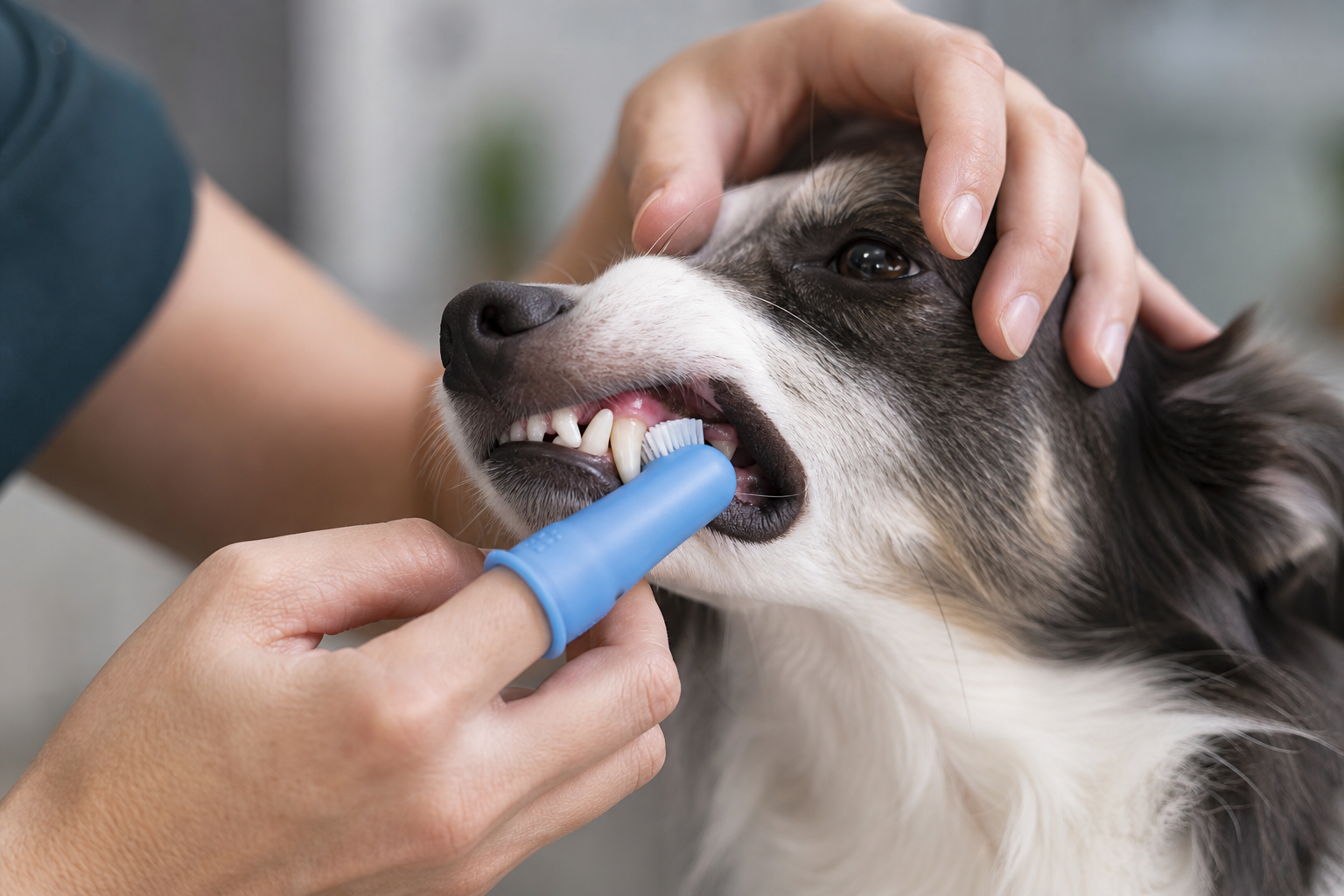
A gradual approach increases the likelihood of success and reduces stress. Guidelines recommend starting with manual contact and gradually progressing to a toothbrush (Healthline).
Practical steps and recommended timing
- Days 1–7: touching the mouth, rewarding the animal with petting or small treats specifically designed for animals. Gently touch the lips and cheeks to help it get used to the contact.
- Days 8–14: cloth or gauze, wipe the teeth and gums with a soft cloth or moistened gauze for a few seconds, gradually increasing the duration.
- Days 15–30: soft toothbrush, use toothpaste for animals and a toothbrush of a suitable size. Start with a few seconds per side and increase to 30–60 seconds per area when the animal is comfortable.
- Initial frequency: aim for a few sessions per week, then work toward daily brushing whenever possible. Even a few regular sessions are more effective than sporadic attempts.
If the animal shows excessive stress, return to the previous step and proceed more slowly. For practical resources on organizing the routine and choosing suitable products, consult veterinary support materials (VCA Hospitals).
Recommended products and practices to avoid
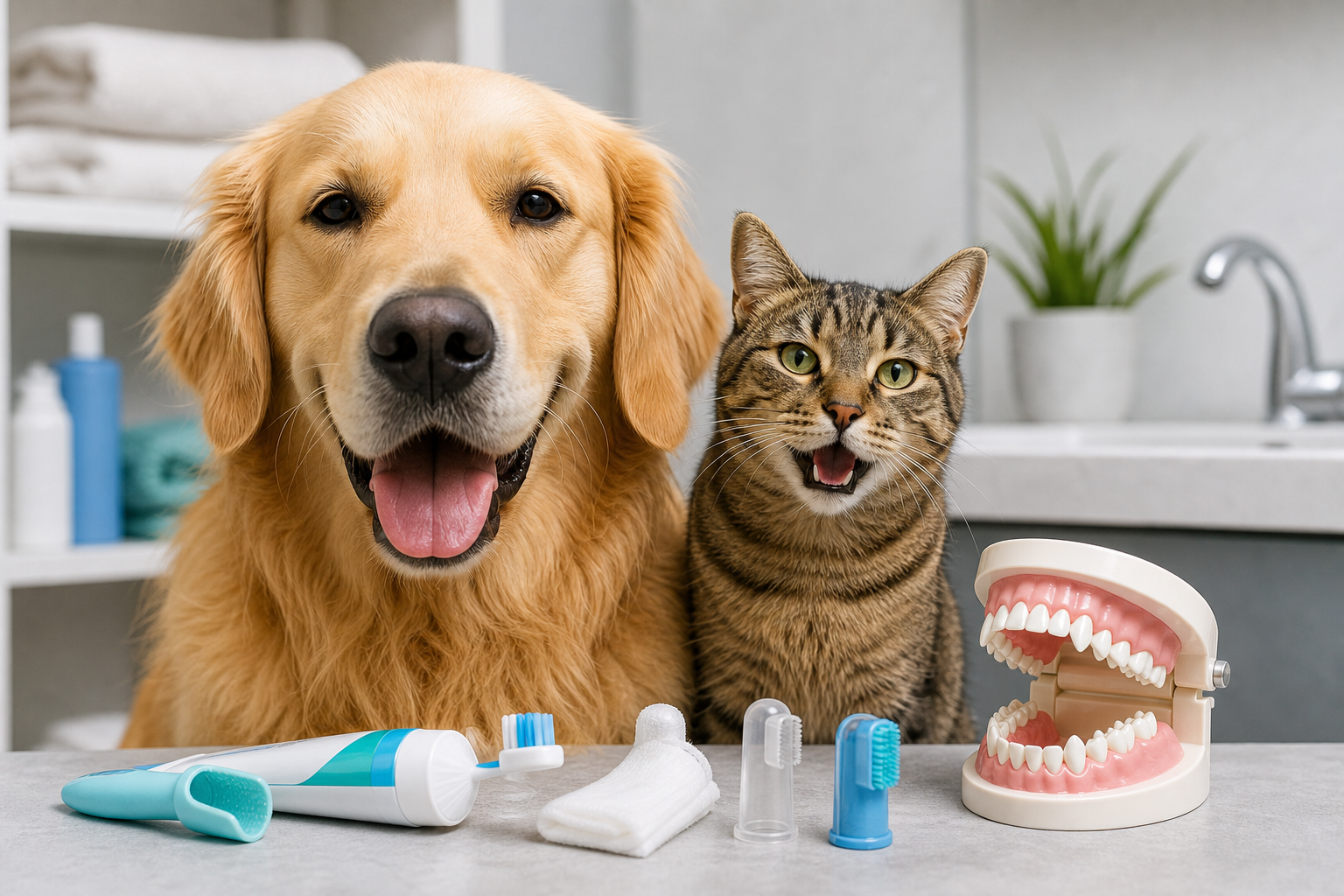
Choose products specifically designed for animals: flavored toothpaste for dogs and cats, soft-bristled or finger brushes, and soft cloths for the initial stages. Avoid human toothpaste and improvised tools, which can be harmful. Some treats and chew toys can be useful as support, but they do not replace daily brushing (Healthline).
When choosing a product, consider: a composition that is safe if ingested, a size suitable for the animal, and preferably your veterinarian’s advice. Organizing the routine, with products that are easy to access and set times, improves adherence (VCA Hospitals).
When professional cleaning is necessary and what to expect
Veterinary cleaning under anesthesia is recommended when there is hardened tartar, advanced periodontal disease, loose teeth, abscesses, or pain. The procedure includes a complete examination, dental X-rays, and cleaning below the gumline—procedures that daily brushing cannot perform. Discuss the anesthetic risks and specific monitoring options for your pet with your veterinarian (Veterinary Medicine at Illinois).
Questions to ask the veterinarian before changing routines or buying products
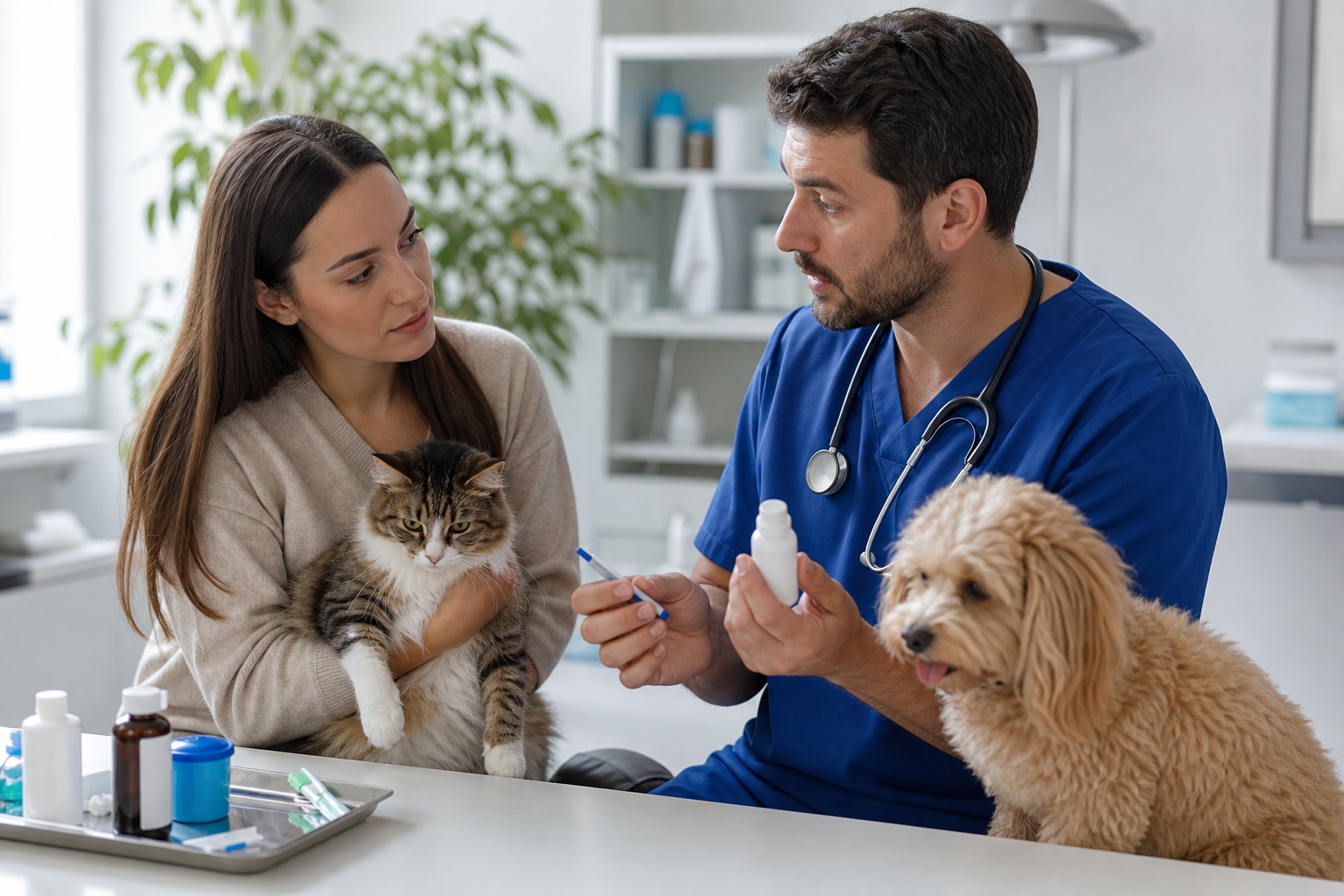
- What is the current condition of my pet’s mouth, and which examinations are recommended?
- What specific products do you recommend for its age and condition? Are they safe if swallowed?
- How often should I bring my pet in for checkups or professional cleanings?
- What are the anesthetic risks of cleaning, and how do you mitigate them at your facility?
- If my pet does not tolerate a toothbrush, what alternatives do you recommend at home?
Bring photographs, notes about eating habits, and reactions to home-care tools to get targeted advice. If you are looking for local support in Fondi, you can find information about services and contact details on the company website.
Practical checklist and recommended frequencies
Use this weekly checklist as a realistic reminder for a sustainable routine.
- Getting-used-to-it sessions (cloth/gauze): 2–3 times a week for pets that do not tolerate a toothbrush.
- Brushing with pet toothpaste: aim for 3–7 times a week, working toward daily brushing.
- Quick home check: look for bad breath, gum problems, loose teeth, or poor appetite; report any suspicious changes to your veterinarian.
- Veterinary checkup: at least once a year, more often if warning signs appear.
These guidelines complement your veterinarian’s assessment and do not replace an in-person professional examination when clinical signs are present.
Frequently asked questions
How often should I clean my dog’s or cat’s teeth?
The goal is daily brushing, but at least 3–7 times a week is a practical, achievable target. Even less frequent but regular sessions help reduce plaque. For guidance on frequency and how to start gradually, consult dedicated veterinary resources (Healthline).
Can I use human toothpaste on my pet?
No. Human toothpastes contain ingredients that are not suitable for prolonged ingestion by animals. Use products formulated for dogs and cats, and ask your veterinarian which brands they recommend (VCA Hospitals).
My pet becomes agitated during cleaning. How can I proceed safely?
Proceed step by step: start by touching the mouth, then move on to a cloth, gauze, and finally a toothbrush. Always reward progress with positive reinforcement. If the animal remains excessively stressed, consult your veterinarian about behavioral strategies or a desensitization program (Healthline).
When is a professional dental cleaning under anesthesia necessary?
If you notice loose teeth, abscesses, significant gum bleeding, or persistent severe bad breath, a professional cleaning under anesthesia and X-rays are probably needed. Only a veterinarian can assess the severity and recommend the most appropriate procedure (Veterinary Medicine at Illinois).
Are chew toys and dental-care treats effective on their own?
They are useful as a supplement because they can reduce surface plaque, but they do not remove already-formed tartar or replace regular brushing or professional checkups. Consider them complementary to your home routine (Healthline).
For information about recommended products and to organize your routine, visit our business's website or contact us directly. If you are in the Fondi area, you can find us at our premises: Via Francesco Caracciolo 5.
For consultations or products, visit the official website: My Business.