

What are pet dental care basics and why do they matter?
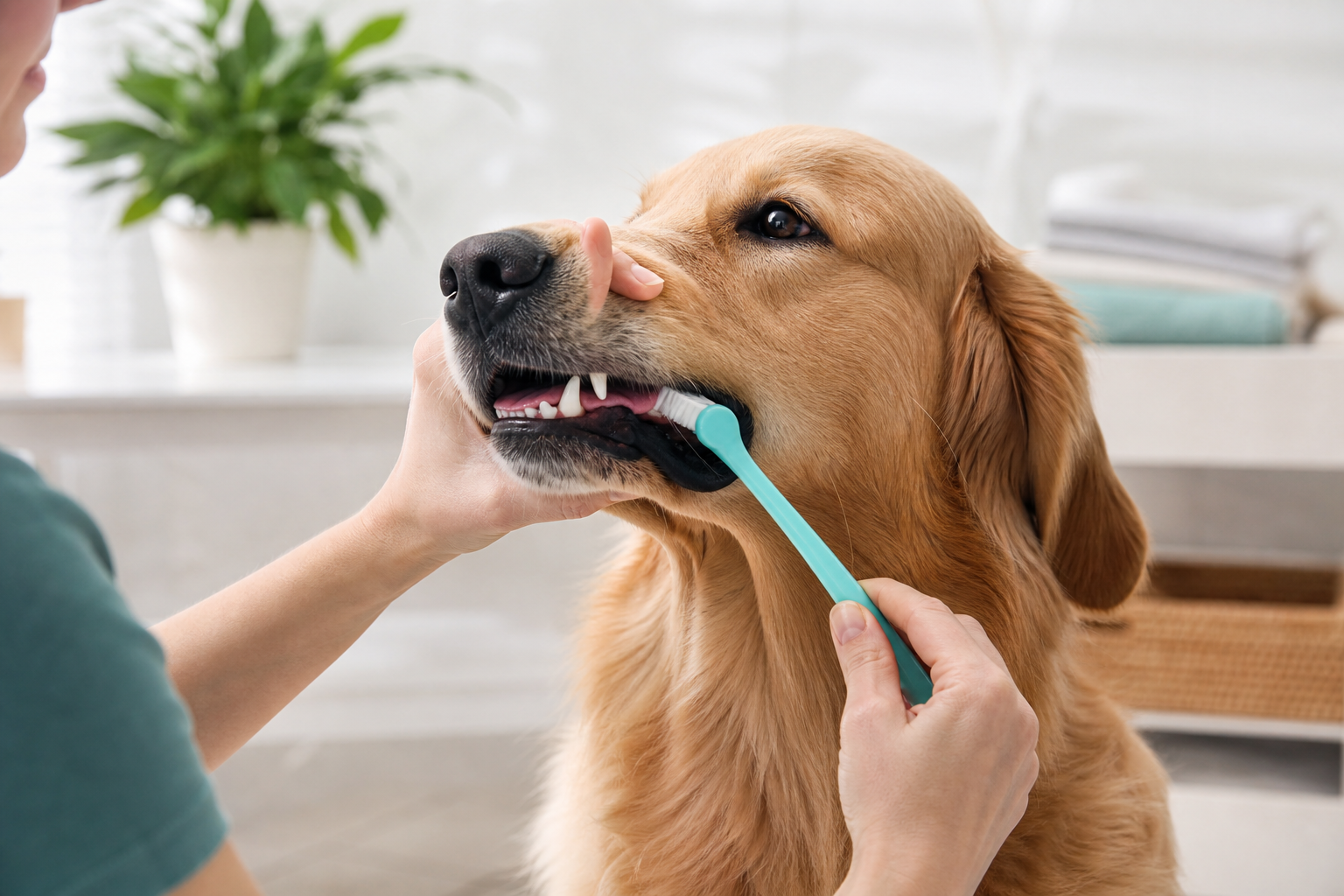
What are pet dental care basics, and why do they matter?
Pet dental care basics refers to the everyday steps owners take to keep a dog or cat's mouth healthy, along with the preventive products and veterinary services that stop small problems from becoming painful or systemic. This short primer explains why oral care matters, the signs to watch for, simple actions you can start today, safe alternatives if brushing is not possible, and when professional dental care with anesthesia may be needed.
What pet dental care basics means
At its simplest, pet dental care basics combines four elements: regular home cleaning, appropriate chews and diets, routine veterinary exams, and professional cleanings when indicated. Home care reduces plaque, products such as dental diets or rinses support maintenance, and veterinarians evaluate teeth and take dental X-rays when problems are suspected. For owners who want a specialist resource on products and services, My Business lists a Pet Dental Care offering on its website.
Why pet dental care matters for overall health
Dental disease affects a large proportion of adult dogs and cats, and if left untreated, it can cause localized pain and may contribute to infections affecting other organs. Reliable consumer resources explain how oral disease can lead to tooth loss and systemic effects, underscoring that oral care is part of pets' overall health (PetSmart), while prevention strategies for owners are widely summarized (Healthline). Regular home care and veterinary checkups reduce the chance that hidden disease will progress.
Common signs and red flags to watch for
Monitor your pet daily for changes. The most common visible signs of dental problems include:
- Persistent bad breath.
- Yellow or brown buildup on the teeth, which is tartar.
- Red, swollen, or bleeding gums.
- Excessive drooling or drooling that contains blood.
- Difficulty eating, dropping food, or favoring one side of the mouth.
- Pawing at the mouth or sudden changes in behavior that suggest pain.
- Loose, fractured, or missing teeth.
If you see bleeding gums, sudden reluctance to eat, a loose tooth, or signs of severe mouth pain, contact your veterinarian promptly for an exam. These signs can mean active infection or tooth damage that needs professional attention (PetSmart).
Everyday actions you can start today
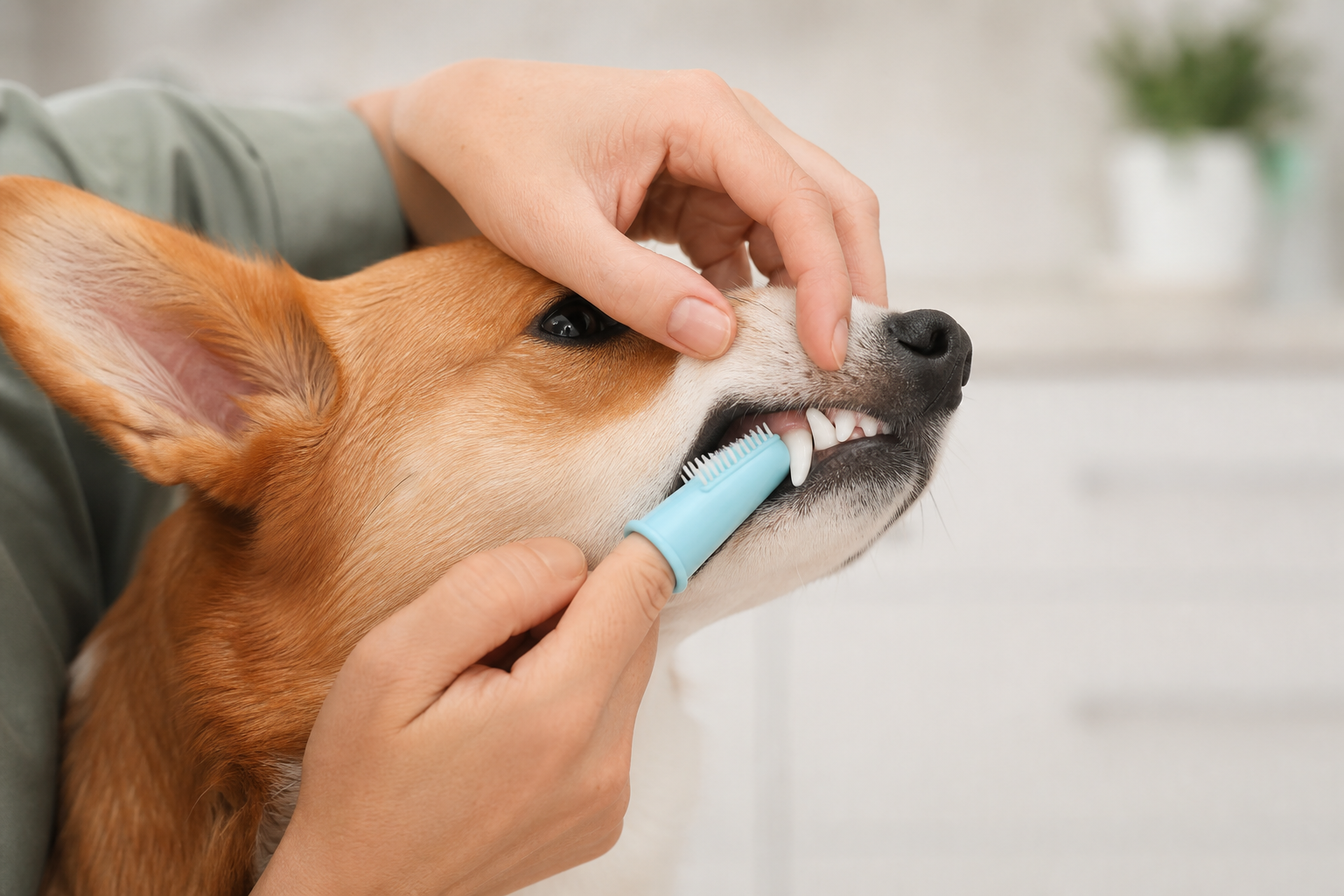
Effective pet dental care basics are simple when they are realistic. Use a daily, weekly, and annual cadence so care becomes routine.
Daily
- Brush your pet's teeth when possible. Brushing slows plaque re-accumulation and supports gum health. Plaque begins to build within about 12 hours after cleaning, so frequent care is most effective (Cornell).
- Use a pet-formulated toothpaste and a soft brush. Never use human toothpaste for pets because it can upset their stomach.
- Provide safe chew toys that are appropriate for your pet's size and chewing strength, and supervise chewing to reduce the risk of broken teeth.
Weekly
- Apply dental wipes, rinses, or water additives on scheduled days if brushing every day is not practical.
- Offer veterinarian-recommended dental chews or a prescription dental diet if advised for your pet.
Annually
- Schedule a veterinary wellness exam that includes an oral check. Many veterinarians recommend a full dental assessment at least once a year for adult pets.
- Follow your veterinarian's advice about dental x-rays and professional cleanings when periodontal disease or damage is suspected.
How to introduce toothbrushing in three short steps: start with a small, soft pet toothbrush or finger brush and a smear of pet toothpaste. Let your pet taste the paste so it becomes familiar. Then, with your pet calm, lift the lip and gently brush a few teeth for a few seconds. Reward the pet and repeat one or two more times. Increase duration gradually until you can brush several teeth each day. If your pet resists, stop and try again later, using short, positive sessions that build trust (Cornell).
Safe alternatives when brushing is not possible
Brushing is the gold standard for home care, but it is not always possible. Evidence-backed alternatives include prescription dental diets, dental chews that meet size and hardness recommendations, dental wipes, and veterinarian-approved water additives. Prescription dental diets are formulated to reduce plaque and tartar and are a sound option for pets that will not tolerate brushing (Cornell). Each option has limits: chews can help reduce buildup but cannot replace a professional exam when disease is present, and some chew types may risk tooth fracture in aggressive chewers, so choose products designed for dental benefit and supervise use (PetSmart).
When professional dental care is needed and anesthesia explained
Veterinary dental care is needed when examination or x-rays show periodontal disease, tooth fractures, abscesses, or loose teeth. Professional cleanings include scaling above and below the gumline, polishing, and dental x-rays to detect problems under the gums. Many owners worry about anesthesia safety. The idea that putting a pet under anesthesia for dental care is too risky is a myth. Veterinary experts note that professional dental care under monitored anesthesia is an important part of oral health and that modern monitoring substantially reduces anesthesia risk when proper protocols are followed (Tufts). Your veterinarian will discuss pre-anesthetic testing, monitoring during the procedure, and pain control so you can decide with information specific to your pet's health.
Decision criteria and common objections owners raise

Use simple rules to decide next steps:
- Try home brushing or approved alternatives first for mild tartar and no signs of pain.
- Call your veterinarian if you see bleeding gums, loose teeth, reluctance to eat, or signs of severe mouth pain.
- Book a professional dental exam if home care does not reduce visible buildup after a few weeks, or if x-rays are recommended to check below the gumline.
Addressing common objections:
- "Anesthesia is too risky" — Modern anesthesia and monitoring make professional dental care safer, and veterinary authorities emphasize that avoiding necessary cleanings may allow painful disease to progress (Tufts).
- "My pet will not tolerate brushing" — Try gradual desensitization, flavored pet toothpaste, or alternatives such as prescription dental diets and wipes while working toward a brushing routine (Cornell).
- "Chews can break teeth" — Some hard chews can fracture teeth. Choose dental products specifically designed for oral health and supervise chewing to reduce risk (PetSmart).
How My Business can help and contact details
My Business lists a Pet Dental Care offering titled "Effective Tartar Removal with Gentle Cleaner" on its site for owners seeking products that support at-home care and gentle cleaning solutions (Glabora). For quick answers about shipping, returns, and product details, see the frequently asked questions faq page. My Business is based at Via Francesco Caracciolo 5, Fondi, and operates weekdays from 09:00 to 17:00. The company ships nationally across Italy and can help you choose dental products that match your pet's size and sensitivity.
Quick checklist for daily, weekly, and yearly care
- Daily: Introduce short toothbrushing sessions using pet toothpaste, or use dental wipes if brushing is not yet possible.
- Three times per week: Offer veterinarian-approved dental chews or provide a dental water additive on alternating days.
- Monthly: Inspect your pet's mouth for new tartar, red gums, or loose teeth.
- Annually: Book a veterinary wellness exam that includes an oral check and discuss dental x-rays if your vet recommends them.
- Immediately: Call your veterinarian for bleeding gums, loose or fractured teeth, sudden mouth pain, or inability to eat.
Frequently asked questions
Is anesthesia safe for routine pet dental cleanings
Modern veterinary anesthesia uses screening tests, careful dosing, and monitoring during procedures, and experts say that the idea anesthesia is too risky is a myth. Professional dental care under monitored anesthesia is considered an important part of oral health when recommended by your veterinarian (Tufts).
How often should I brush my dog or cat's teeth
Brushing daily is ideal because plaque begins to return within about 12 hours after cleaning. If daily brushing is not practical, aim for several short sessions per week combined with dental chews or other veterinary-approved products (Cornell).
What signs mean I should take my pet to the veterinarian right away
Seek immediate veterinary attention for bleeding gums, a loose or fractured tooth, sudden reluctance to eat, or any sign of severe mouth pain. These may indicate infection or dental trauma that needs prompt treatment (PetSmart).
What can I do if my pet will not tolerate toothbrushing
Use gradual desensitization, flavored pet toothpaste, dental wipes, water additives, or a prescription dental diet recommended by your veterinarian. These alternatives can help reduce plaque while you work toward a brushing routine (Cornell).
Do dental diets and chews really reduce tartar
Prescription dental diets and approved chews are formulated to reduce plaque and tartar and are an evidence-backed option for pets that resist brushing. They are supportive tools and do not replace a professional dental exam when disease is advanced (Cornell).
If you have additional product questions or want to explore the Pet Dental Care options available from My Business, visit the company website or check the frequently asked questions faq for details and shipping information. For a quick look at the shop's dental offerings see the main site (Glabora).
Ready to find gentle dental products for your pet? Visit My Business to browse dental care options and get help choosing the right items for your dog or cat.