

Dog training collar modes explained step by step
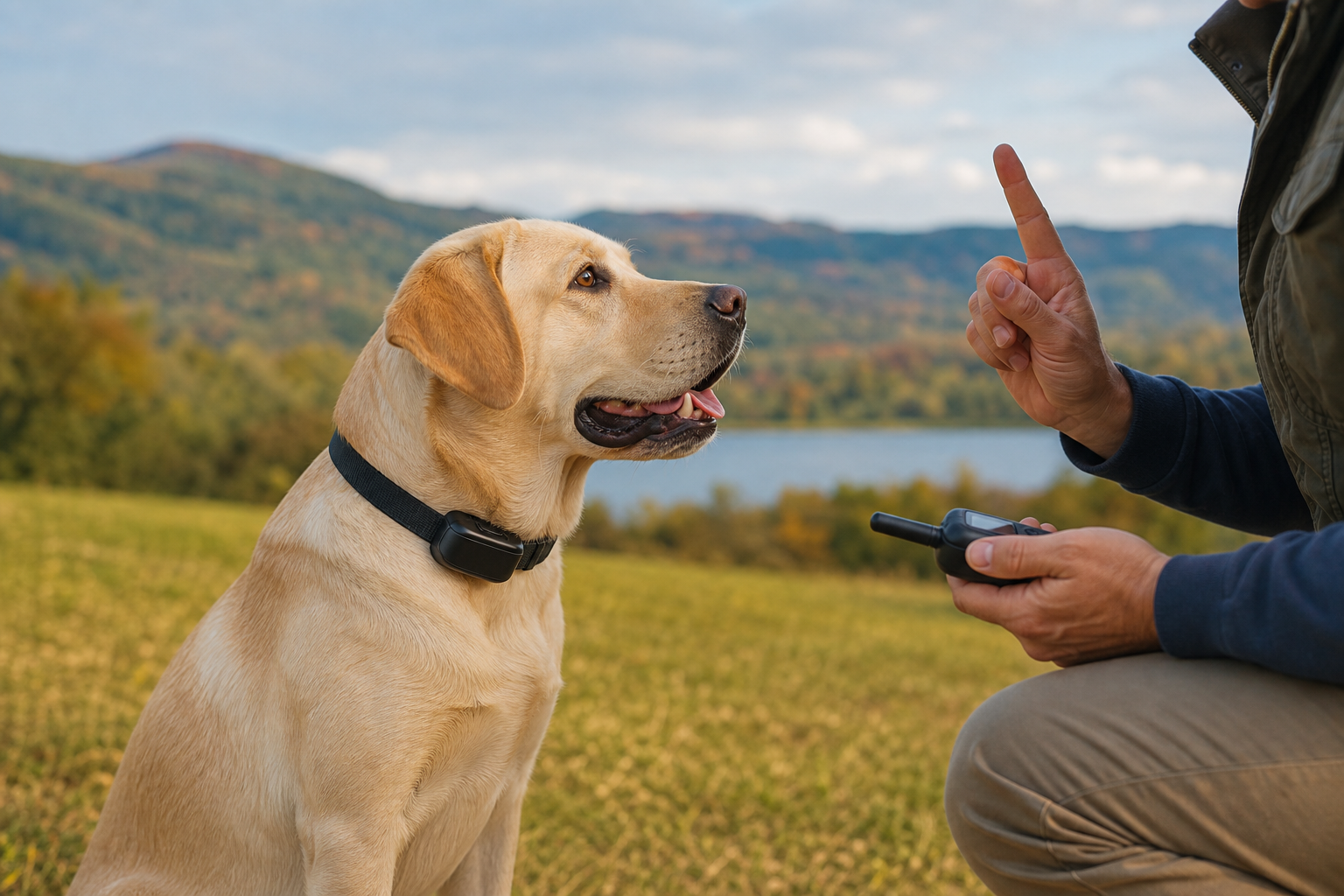
Dog training collar modes explained step by step
This guide provides an operational checklist for understanding common training collar modes, comparing technical specifications before purchase, and setting up the device safely. You will find practical steps, operating limits, useful examples, and questions to ask the seller or trainer before using the collar on your dog.
What are the modes of a collar and what types are available?
Training collars offer several communication modes between owner and dog: pulsed electrical stimulus, vibration, and sound or tone. Each mode conveys different information: warning, correction, or recall. Manufacturers include more options to adapt use to the dog's sensitivity, size, and behavior and to allow the choice of non-painful alternatives such as vibration and tone.
For a summary of the technical specifications that affect effectiveness and safety, consult the technical recommendations of manufacturers and specialist trainers, which highlight factors such as range, water resistance, and non-invasive modes (Invirox).
Modes specifically: electrical stimulus, vibration, tone
Electrical stimulus (impulse)
Description: the device sends an electrical impulse to the contact points on the neck. Intensity and duration are adjustable across the levels. For some dogs, it is an effective stimulus for interrupting dangerous behaviors, but it is not suitable for all dogs.
Adjustment: always start at the lowest level and increase gradually only if the desired response is not achieved. Do not exceed the limits suggested by the manufacturer, and always observe the dog's reaction.
Intended use: remote corrections for high-risk behaviors or to train recall in situations where other techniques have not worked. Use should be guided by a professional if you lack experience. Technical specifications to check include the number of levels and adjustment precision (Invirox).
Vibration
Description: the collar emits a vibration perceived as a tactile signal. It is a non-painful mode that is useful when external noise or distance makes a verbal recall ineffective.
Adjustment: select a low intensity and verify that the dog notices the vibration. It is often the first mode to try with sensitive breeds or adult puppies.
Intended use: recalls, mild corrections, and training in urban settings. It should not be used as the sole solution for complex behavioral problems.
Tone or sound
Description: a tone at a defined frequency and volume. Puf2 could serve as a neutral warning when no physical contact is desired.
Adjustment: choose the volume and duration appropriate to the context. Some dogs ignore tones that are too quiet or too similar to ambient sounds, so it is important to test the signal at the place of use.
Intended use: initial recalls, recalls in the presence of mild distractions, as a communication signal before moving to a more intensive mode.
Pre-purchase technical checklist: the specifications that matter
Before purchasing, compare these technical features. The following list summarizes the criteria professionals use to select an effective and safe collar.
- The remote control's actual operating range, for controlling the dog at the desired distance.
- Water-resistance rating for outdoor use in changing conditions.
- Adaptability to the dog's coat and options for thin or very thick necks, to ensure proper contact with the stimulation points.
- Battery type and runtime, to avoid interruptions during extended sessions.
- Intensity control: +/- buttons or a dial, with precise adjustment.
- Non-painful modes available: vibration and tone as alternatives to electrical stimulation.
- Contact-point material and availability of replacement parts for maintenance.
- Remote-control ergonomics and ease of one-handed use.
- Multi-dog support for managing multiple receivers with the same remote control.
- Warranty and after-sales service.
These elements are part of the technical checklist developed by specialized manufacturers and trainers. For an overview of the selection factors, see the technical recommendations (Invirox).
How to safely set up and test the modes: step-by-step procedure
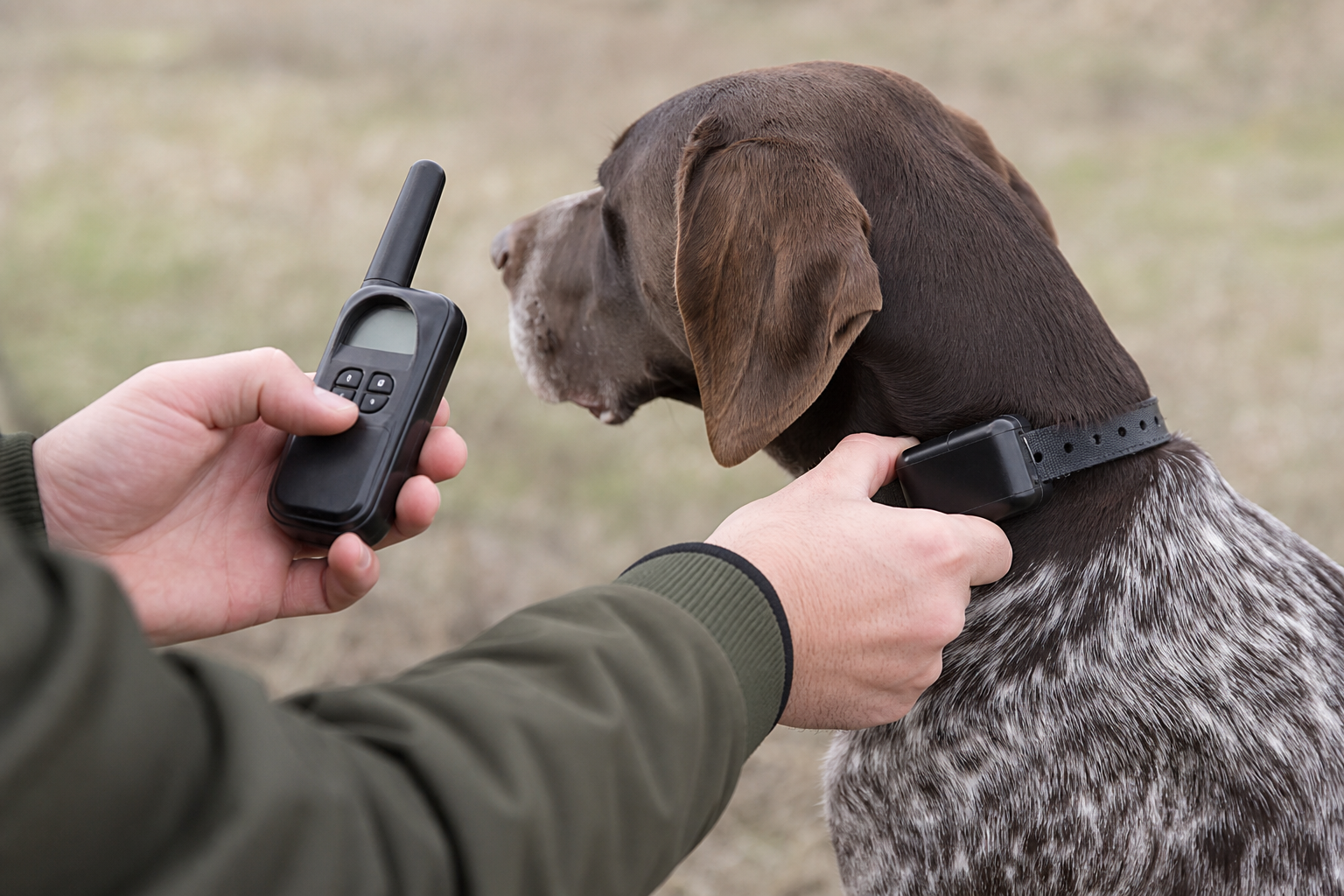
Follow this numbered procedure and stop at the indicated checkpoints. Each point is designed to reduce stress and risk for the dog.
- Measure the dog's neck and position the collar so that it is snug but not tight, leaving enough room to insert two fingers between the collar and the skin.
- Read the manufacturer's manual and verify that the model is suitable for your dog's weight and size.
- Perform a close-range test: with the dog in a quiet environment, activate the tone first and then the vibration. Verify that the dog notices the signals without showing signs of stress.
- If you use electrical stimulation, activate a single brief emission at the lowest level and observe the reaction. Increase the level one step at a time only if necessary.
- Limit the number of daily stimuli and sessions: do not use stimulation as the only training strategy.
- Mandatory stopping points: stop using it immediately if you notice trembling, unusual vocalizations, repeated attempts to remove the collar, rigidity, or avoidance of human contact.
- Keep a session log to assess progress, stimulus frequency, and signs of stress over time.
This procedure incorporates guidance recommended by experienced trainers and organizations that define standards for animal care (BC SPCA). The manufacturer’s manual often contains daily limits and specific warnings that must be followed.
Signs of the dog’s discomfort or injury and when to stop
Watch for these physical and behavioral signs and stop using it if they appear:
- Unexplained tremors or muscle rigidity.
- Uncontrolled vocalizations or whining during or immediately after stimulation.
- Repeated attempts to remove the collar or scratching in the contact area.
- Sudden changes in behavior, such as persistent anxiety, excessive agitation, or apathy.
- Skin irritation, abrasions, or signs of ulceration at the contact points.
If lesions or signs of prolonged distress appear, stop using it immediately and consult a veterinarian. To assess the approach and risk management, it is useful to consult a qualified trainer who can explain appropriate actions in the event of success or error during training (BC SPCA).
Quick practical examples
Example 1, recall in an open field: the dog does not respond to the verbal recall but responds to vibration. Use vibration as the primary signal and reserve electrical stimulation only as a controlled last resort, following the level-based procedure.
Example 2, distracted dog in an urban area: try the distinctive tone first. If the dog ignores the tone and the behavior is dangerous, move on to vibration and consider electrical stimulation only under professional supervision.
Questions to ask the seller or trainer before purchase or use
Before purchasing or using a collar, ask these essential questions and request practical demonstrations:
- What response is expected when the dog performs the action correctly, and what happens if it makes a mistake?
- What side effects have you observed, and how are they handled?
- What is the remote control’s actual range under typical usage conditions?
- Is the model waterproof, and which parts are replaceable?
- Do you offer an in-store trial or a demonstration with my dog?
- What is your warranty and technical support policy in the event of a malfunction?
These questions are based on professional checklists and help assess the method and safety before proceeding.
Common objections and assessment of actual risks
The most common concerns are legitimate: pain, use on puppies, or use on animals with heart conditions. Not all dogs respond in the same way, and there is no solution that works for every case. Avoid sellers who promise immediate or absolute results. Compare non-invasive alternatives and involve a qualified trainer when the problem is complex or recurring. If you have clinical concerns, contact your veterinarian before use.
Where to see the product and find local support
If you would like to see the model in store or request a demonstration, Glabora lists a product called "Electric Dog Collar | Waterproof Training Collar with 3 Adjustable Modes | "Long-Distance Control Up to 1000 Meters" on the official website. You can check availability and technical support at the location listed at Via Francesco Caracciolo 5, Fondi (Latina), or call +39 329 563 0900 to schedule a visit. Before purchasing, request a live demonstration and try the modes with your dog in the presence of qualified staff.
FAQ
What is the practical difference between vibration mode and tone mode?
Vibration is a tactile signal that the dog perceives directly and works well for deaf dogs or in noisy environments. Tone is audible and serves as a warning from a distance; some dogs ignore it if it is not distinctive. Try both modes in a controlled environment to determine which works best for your dog.
How do I choose the initial level if the collar has multiple intensities?
Always start at the lowest level and apply a single brief stimulus while observing the reaction. Increase the level one step at a time only if necessary. Record the responses to avoid exceeding daily limits and reduce the risk of stress. This step-by-step approach is recommended by manufacturers and experienced trainers.
Can I use the collar on a puppy or a dog with heart problems?
Do not use electric stimulation collars on very young puppies or dogs with heart conditions without veterinary advice. Prefer non-invasive modes such as vibration or tone, and consult a veterinarian for specific clinical guidance.
What warranties or support should I ask the seller about before buying?
Ask about the warranty, spare-parts availability, technical support, and the possibility of trying the product in store. Check the return and repair policies in case of malfunction, and ask for information about any usage limitations specified by the manufacturer.
Conclusion and call to action
Using a training collar requires technical knowledge, attention to the dog's signals, and clear safety rules. Follow the checklist in this article, have the modes demonstrated in person, and involve a trainer when the issue requires specific expertise. To view the available products and receive local assistance, visit the official website or contact Glabora directly to schedule a demonstration.