

Best toothpaste for dogs and cats compared
Best toothpaste for dogs and cats compared
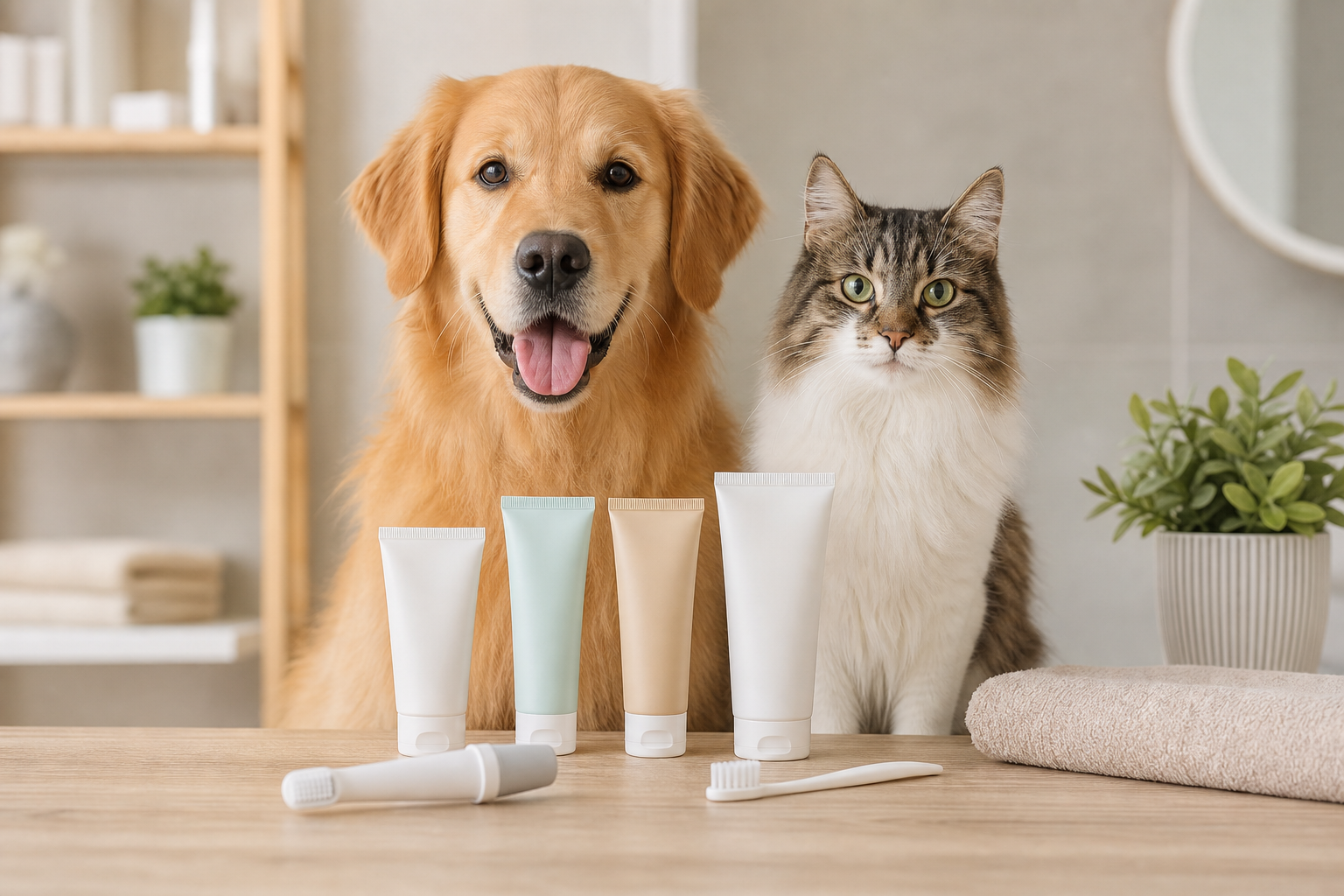
Oral care for companion animals is often underestimated, yet a simple daily routine can reduce plaque, bad breath, and gum problems. This comparison helps you choose the best toothpaste for dogs and cats based on practical, verifiable criteria: ingredient safety, approvals such as VOHC, format and ease of use, and palatability for different species. For most owners, the most effective investment remains a soft pet toothbrush, a tube of pet-specific toothpaste, and a daily routine that fits the family, as also highlighted in industry comparison guides.
Why use toothpaste specifically formulated for pets?
Dangers of human toothpaste
Human toothpastes may contain fluoride, xylitol, or other sweeteners and ingredients that are unsafe for dogs and cats. Even small amounts can be harmful if swallowed, and cats are particularly sensitive to certain substances. For this reason, it is important to choose products formulated and tested for pets and never substitute human toothpaste.
Benefits of regular cleaning
Regular brushing removes plaque before it calcifies into tartar and helps maintain healthy gums. Pet formulas often contain enzymes or agents that reduce plaque formation, as well as flavors designed to improve the animal's tolerance. Industry guides emphasize that combining a soft toothbrush with species-specific toothpaste is among the most effective strategies for at-home oral care.
Practical criteria for comparing dog and cat toothpastes
Ingredient safety
Prefer fluoride-free and xylitol-free formulas. Always check the ingredient list to avoid irritants or known species-specific allergens. In cat products, it is particularly important to avoid sweeteners that may be toxic. If your pet has specific sensitivities or allergies, speak with your veterinarian before use.
What is VOHC certification?
The Veterinary Oral Health Council, known as VOHC, accepts products that demonstrate effectiveness in controlling plaque and tartar in validated studies. The VOHC seal is a good indicator when choosing chews or other products that claim to reduce plaque. To verify accepted products, consult the lists published by VOHC and the summary lists in industry guides.
Format and ease of use
Common formats include pastes, applicator gels, wipes, powders to mix with food, and chewable treats. The choice depends on the animal's temperament, age, and the time the owner can devote to the routine. A more convenient format is not always the most effective, but it can encourage adherence to the routine when complete brushing is not possible.
6 types of toothpaste and oral-care solutions compared
1. Enzymatic paste toothpaste for dogs
Pros: designed to break down plaque with specific enzymes, with flavors dogs enjoy, and easy to use with a toothbrush. Cons: it requires the animal to tolerate brushing and may be less practical for shy cats. When to use: ideal for owners who want a traditional daily cleaning routine and are able to brush regularly. Practical example: puppies that already accept oral handling respond well to this format.
2. Palatable gel toothpaste for cats
Pros: often formulated with flavors cats enjoy and can be applied with a finger brush or finger. Cons: more stubborn cats may reject any mouth handling. When to use: recommended for cats that tolerate brief handling and for those who prefer a concentrated format that takes little time to apply.
3. Gel with finger-brush applicator for nervous animals
Pros: they allow brief, targeted applications and are less invasive than a traditional toothbrush. Cons: effectiveness depends on frequency and proper application. When to use: useful for animals that do not tolerate complete brushing but accept brief contact with the mouth. Practical tip: perform very brief daily applications immediately after playtime to create a positive association.
4. Dental wipes for convenience
Pros: convenient for introducing oral hygiene and taking on trips; no rinsing required. Cons: they remove only part of the plaque and do not replace daily brushing. When to use: excellent as a first step for getting puppies or cats accustomed to oral care and for those who have difficulty with a toothbrush. Example: use the wipes 2–3 times a week in combination with a weekly enzymatic product.
5. Powders or food additives
Pros: they can be mixed into food without handling the mouth, making them easy to administer. Cons: effectiveness may vary, and they do not mechanically remove plaque. When to use: suitable for animals that are completely resistant to oral handling or as a supplement between brushing sessions. Note: check compatibility with the diet and ask your veterinarian in case of kidney or metabolic conditions.
6. VOHC-accepted products and dental chews
Pros: chews and some VOHC-accepted products have demonstrated controlled reductions in plaque or tartar in validated studies, making them a useful complement to home-care practices. Cons: not all chews are suitable for every size or dental condition, and they do not replace regular mechanical cleaning. When to use: as support for cooperative animals and as complementary prevention alongside brushing. Practical tip: choose chews suited to your animal's size and chewing strength to avoid the risk of swallowing fragments that are too large.
How to get your dog or cat used to having its teeth cleaned
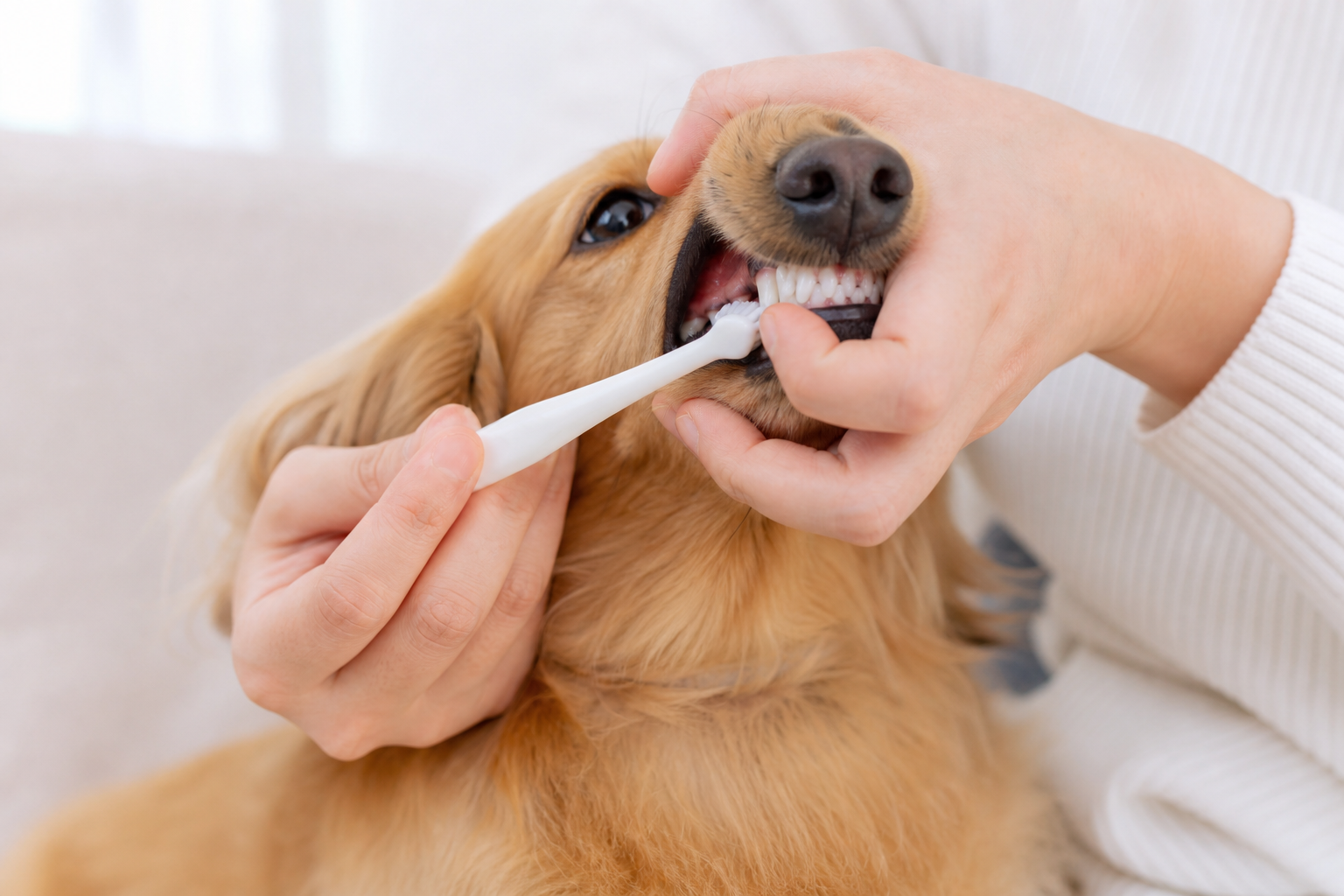
Stage 1: familiarization
Start by letting the animal taste the toothpaste from your fingertips or from a glove. Reward every positive interaction with praise or a small treat. Repeat several times until the animal voluntarily brings its mouth toward the product. Gradually increase the duration, always maintaining a calm and reassuring tone.
Stage 2: brief brushing
Use a finger brush or a soft toothbrush. Keep sessions very short—10–20 seconds per side at first—focusing on the outer surfaces of the teeth. Increase the duration in small steps, avoiding force. If the animal stiffens or shows signs of stress, return to an earlier step and reinforce with treats.
Stage 3: daily routine
Aim for short but frequent sessions—ideally every day, but if that is not possible, at least 3–4 times a week. Monitor signs of improvement, such as reduced bad breath and increasing tolerance of oral handling. If the animal shows pain, bleeding, or persistent discomfort, consult a veterinarian before continuing.
Effective alternatives to daily brushing
Chews and kibble
VOHC-approved dental chews and kibble formulated for oral hygiene can complement home care. They may reduce plaque buildup through the mechanical action of chewing, but they do not remove plaque completely like mechanical brushing. Use them as part of an integrated prevention program.
Sprays and rinses
Sprays and mouth rinses for pets are easy to use and helpful for reducing bad breath. They are practical when brushing is not feasible, but their effectiveness depends on their formulation and frequency of use. Use them alongside regular veterinary checkups.
When professional care is needed
If you notice visible tartar, red or bleeding gums, loss of appetite, or mouth pain, veterinary examination is necessary. Professional dental cleanings remain necessary when tartar has already hardened, and the veterinarian can plan subsequent treatments and checkups.
Checklist for choosing the best toothpaste for your pet
- Species and sensitivity: choose formulas specific to dogs or cats and consider age and oral health conditions.
- Read the ingredients: avoid fluoride, xylitol, and potentially toxic ingredients.
- Look for certifications: prefer products with recognized approvals when available, such as VOHC for products that have them.
- Consider the format: paste, gel, wipes, or additives according to your pet’s tolerance and the time available.
- Test palatability: choose a flavor your pet accepts to improve adherence to the routine.
Scenarios and quick recommendations:
- Puppy: start with a finger brush and gel or wipes in a flavor they enjoy, reward them frequently, and establish the habit.
- Nervous adult cat: prefer gels applied with a finger or food powders, consider using supplemental products, and consult your veterinarian if necessary.
- Older dog with tartar: incorporate VOHC-approved chews and consider professional dental cleaning together with an adapted home-care routine.
For those who would like to learn more about the quality of the formulations and the care taken with materials in the accessories, visit our blog, where we use only raw materials selected for their durability and finish, ensuring a final product that maintains its beauty over time, a useful read for understanding our attention to detail and material selection.
Where to buy in Italy and local references

Many toothpastes and accessories are available from specialized pet stores, veterinary pharmacies, and online retailers. To verify the effectiveness of specific chews or products, consult the VOHC lists, which include products accepted for plaque and tartar control. If you would like help choosing or purchasing selected products, you can contact our store: My Business, Via Francesco Caracciolo 5, Fondi (LT). You can reach us at +39 329 563 0900, and the store is open Monday to Friday, 09:00–17:00. For information and purchases, visit the official website Glabora.
Frequently asked questions
Can I use human toothpaste on my dog or cat
No, it is not recommended. Human toothpastes may contain fluoride and sweeteners such as xylitol, which are dangerous for animals. Choose products specifically formulated for dogs and cats.
What does it mean for a product to be VOHC-accepted, and how much does it matter
A VOHC-accepted product has passed controlled studies demonstrating its effectiveness in controlling plaque or tartar. This certification is a good indicator of effectiveness for chews and certain products, and can help you make an informed choice when available.
How often should I clean my pet's teeth
Ideally, brush every day, but if that is not practical, aim for at least 3–4 times a week. Consistency and habit are the most important factors, combined with regular veterinary checkups.
What to do if my cat does not tolerate brushing
Start with wipes or gels applied to your finger, gradually increasing contact. Use positive reinforcement and rewards. If resistance persists, consider alternatives such as dietary powders or supplements, and consult your veterinarian for a personalized strategy.
Dental chews can replace daily brushing
Approved dental chews can reduce plaque and are useful as a supplement, but they do not completely replace regular mechanical cleaning. Combining multiple tools increases the chances of maintaining good oral hygiene.
If you want quick advice on choosing the best toothpaste for your dog or cat, contact My Business for assistance and selected products. Our staff can recommend the most suitable type and format based on your pet's species, age, and tolerance.
Selected references: the comparison of formats and the practical recommendations in this article are based on industry resources and comparative guides for canine and feline dental care, including analyses of recommended products and VOHC lists for further information on claimed effectiveness.