

7 dog tooth-brushing tips for a safe at-home routine
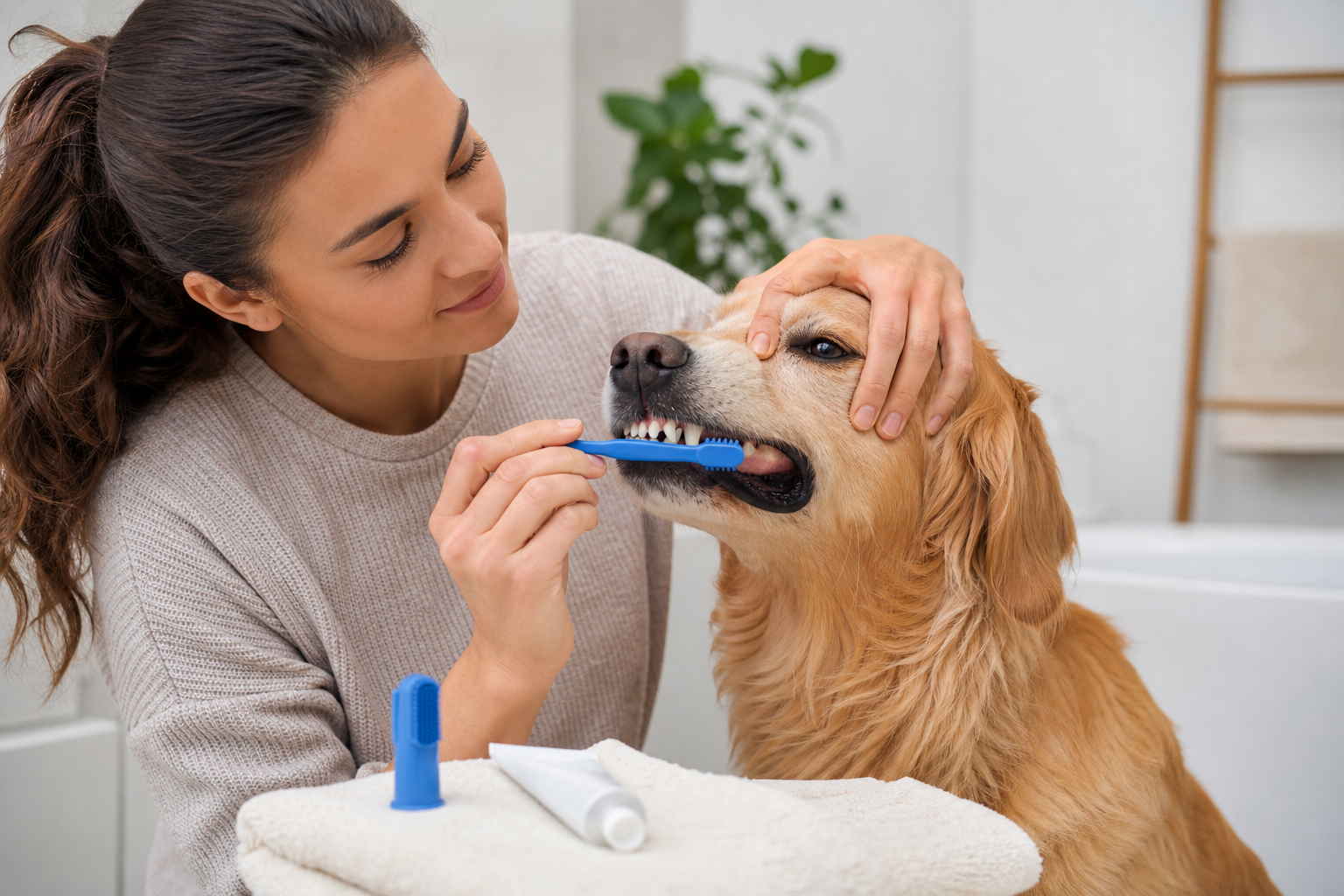
7 dog tooth brushing tips for a safe routine at home
Keeping your dog's mouth clean is one of the most effective preventive measures for avoiding bad breath, gingivitis, and cavities. This guide explains what to prepare, provides seven practical tips with step-by-step instructions and alternatives for more resistant dogs, and indicates when to consult a veterinarian. The recommendations are based on authoritative veterinary sources such as WebMD, Petco, and UC Davis.
What to prepare before starting
Choose a quiet, stable place without distractions, prepare small treats your dog enjoys, and set aside 5–10 minutes per session. Get a toothbrush specifically designed for dogs or a finger toothbrush, flavored pet toothpaste, and dental wipes as a supplement. Make sure the toothbrush has soft bristles and a head suitable for your dog's size. Starting when your dog is calm, for example after a walk, increases the chances of success, as recommended by WebMD.
For products and practical advice, you can consult Glabora's selection to check availability and options suitable for your pet: Glabora.
7 Practical Tips
Below are seven numbered tips, each with concrete instructions, alternatives for reluctant dogs, and small practical examples to try right away.
-
1. Start gradually and build trust
Never force your dog's mouth open during the first session. Start by petting near the muzzle and rewarding your dog for staying calm. Then slowly lift the lips and touch the gums with your finger. Use rolled gauze or a finger toothbrush to gently rub the outer teeth for a few seconds.
Practical example: on day 1, touch the muzzle for 10 seconds and give a treat. On day 3, run the gauze over one side of the mouth for 5 seconds and reward your dog. Gradually increase the duration and the areas treated.
-
2. Choose the right position and make sure your dog is calm
Place your dog on a stable surface. For large dogs, stay beside them; for small dogs, hold them on your lap. Maintain reassuring contact with one hand while handling the toothbrush with the other. Avoid noise and distractions, and choose a predictable time so the routine becomes familiar and your dog accepts it more easily.
If your dog is restless, try to help them relax with a few minutes of gentle play or a walk before cleaning.
-
3. Step-by-step technique for brushing correctly
Use gentle, circular motions along the gumline, where plaque accumulates. Hold the toothbrush at an angle and work in sections, spending about 5–10 seconds per side during the initial stage. Do not try to clean the entire mouth at once; it is better to increase the duration over time. Always remain calm and stop if your dog is stressed, resuming after a positive break.
Essential steps:
- Apply a small amount of dog toothpaste to the toothbrush.
- Gently lift the lip and brush the outer surfaces of the teeth, not just the front incisors.
- Repeat for each side and reward your dog at the end.
-
4. If your dog resists, use temporary alternatives
If a traditional toothbrush is not accepted, try finger toothbrushes, dental wipes, or enzymatic gels as intermediate steps. Chew toys and dental treats designed for dogs can also help reduce plaque buildup, but they do not replace regular brushing.
Practical strategy: until your dog tolerates the toothbrush, clean its teeth with wipes after meals and offer veterinarian-approved chews to maintain oral hygiene.
-
5. Choose a suitable toothbrush and toothpaste
Choose products specifically made for animals. Smaller brush heads and soft bristles are generally better for small dogs, while larger brush heads may be more effective for large dogs. Use only toothpaste formulated for dogs, with flavors such as chicken or liver to increase acceptance. Avoid human toothpaste entirely because it contains ingredients that are harmful if swallowed.
If you need product recommendations, Glabora offers a selection for pet oral care and can help you find the right toothbrush for your dog's size: Glabora.
-
6. Frequency and duration of an effective routine
Ideally, brush your dog's teeth daily. If that isn't possible, aim for at least three times a week. Short, consistent sessions are preferable to long, sporadic ones. Start with a total of 30 seconds and gradually increase to 2–3 minutes per session, always focusing on the gumline.
Practical tip: keep a calendar or phone reminder to establish a routine and monitor progress.
-
7. Combine rewards, quick checks, and regular visits
Make the routine enjoyable with an immediate reward after cleaning. Check your dog’s mouth weekly to identify any changes such as tartar, reddened gums, or abnormal breath. Combine brushing with approved dental chews and schedule regular veterinary checkups. If you notice bleeding, pus, loose teeth, or difficulty eating, book a veterinary appointment, as professional treatment may be necessary.
Best practice: record simple observations such as «strong breath» or «visible tartar» to communicate more effectively with your veterinarian during the visit.
How often and how long to brush
The goal is daily brushing, but a sustainable routine of three or four times a week still reduces plaque buildup. Sessions can begin with a total of 30 seconds and increase to 2–3 minutes once the dog is accustomed to it. Focus on the outer surfaces and the gumline. For puppies and older animals, adjust the duration to the individual dog’s tolerance and consult your veterinarian for special cases.
Recommended products and how to choose
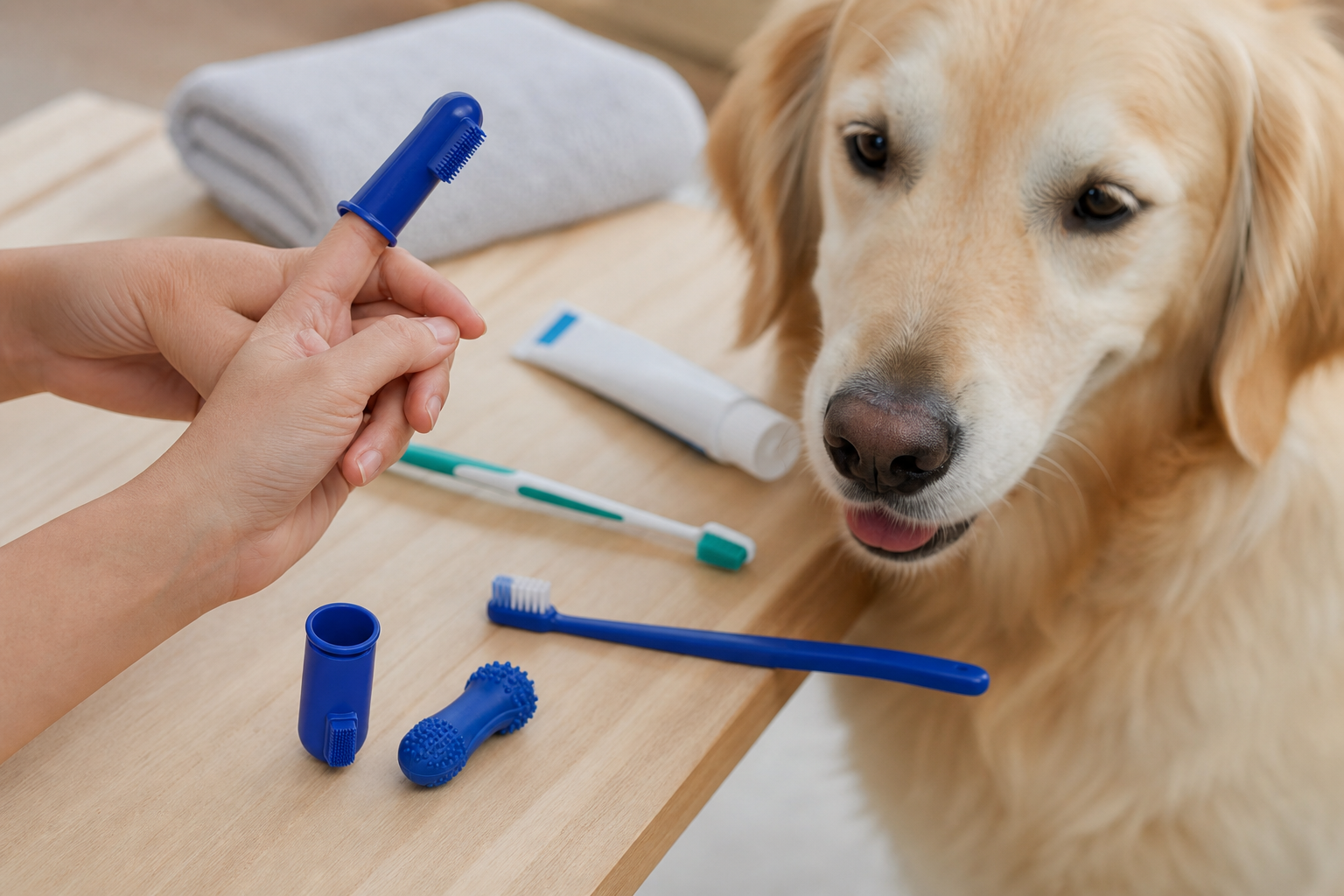
Look for dog toothbrushes with soft bristles and a head proportionate to the mouth. Finger brushes are useful at first. Choose toothpaste specifically formulated for animals and prefer enzymatic formulas where available. Dental chews should be approved by veterinary organizations or by your trusted veterinarian. For help choosing products, try consulting Glabora and check availability on the official website.
Common mistakes to avoid
- Do not use human toothpaste; it may be toxic if swallowed.
- Do not force your dog beyond its tolerance threshold, as this creates negative associations.
- Do not limit brushing to the front teeth; the back molars are often the most prone to tartar buildup.
- Do not ignore signs such as bleeding or severely foul-smelling breath; they could indicate serious problems.
When to consult the veterinarian
Contact your veterinarian if you notice persistent gum bleeding, swelling, pus, loose teeth, difficulty eating, or very strong bad breath. These symptoms may require professional cleaning, X-rays, or specific treatments. For general information about complications related to poor oral hygiene, consult reference resources such as WebMD.
Local resources and useful contacts
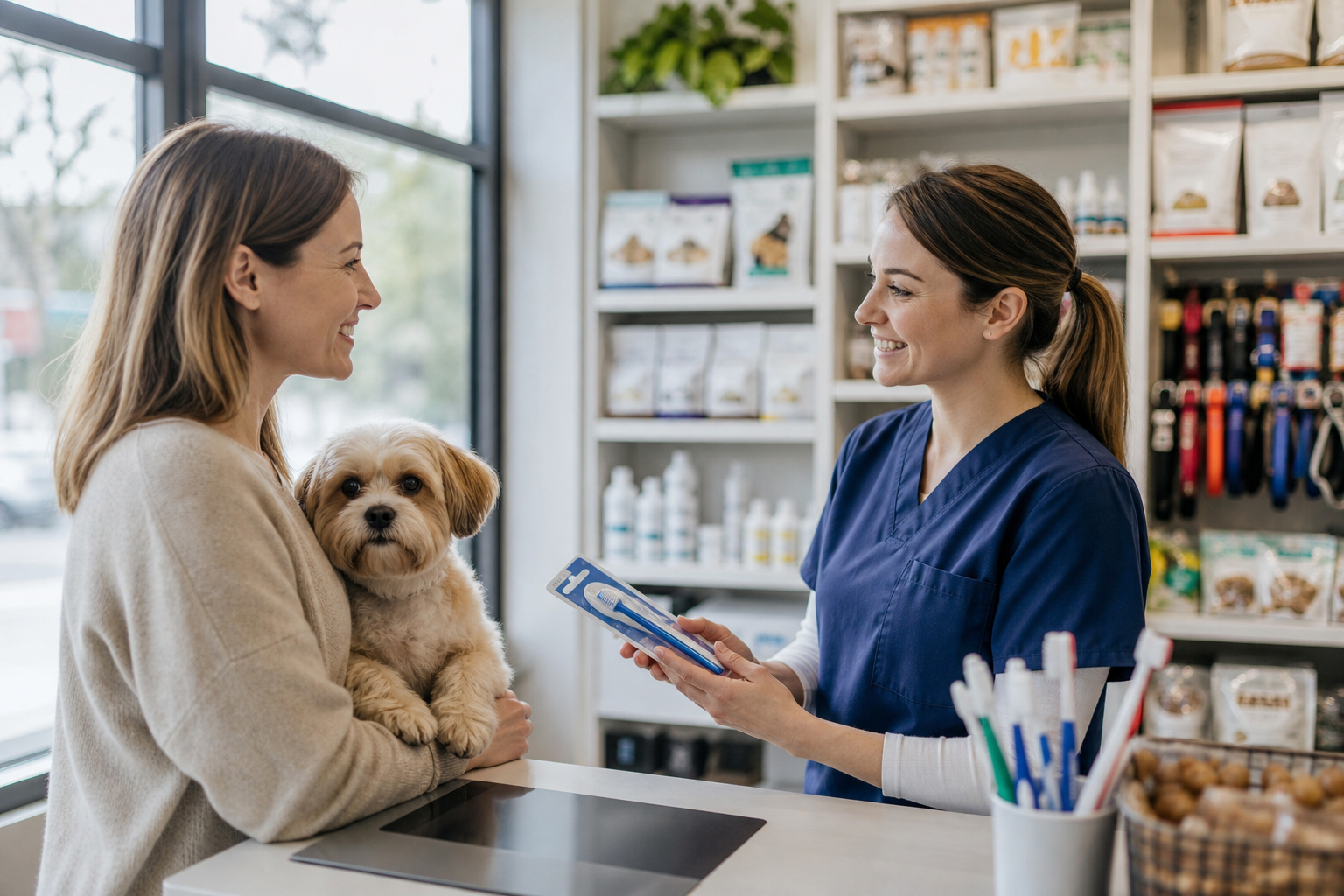
For specific products and in-store advice, Glabora is located in Fondi at 5 Via Francesco Caracciolo. Indicative hours are Monday–Friday, 09:00–17:00 according to the public listing, but we recommend checking updates and availability directly on the listing or website: Glabora.
Frequently Asked Questions
How often should I brush my dog's teeth to keep them healthy?
Ideally, brush daily. If that is not possible, brushing several times a week reduces plaque and tartar formation. Consistency is more important than the length of a single session.
What type of toothpaste is safe for dogs, and why shouldn't human toothpaste be used?
Use only toothpaste specifically made for dogs, formulated to be safe if swallowed and often flavored to appeal to pets. Human toothpaste contains ingredients such as fluoride and xylitol that can be harmful to animals.
How can I get a very nervous dog used to a toothbrush without stressing it?
Proceed in small steps: touch the muzzle, use gauze or a finger toothbrush, and reward every bit of progress. Gradually increase the duration and stop if the dog shows signs of stress. If needed, ask your veterinarian about more specific desensitization techniques.
Can dental treats replace daily brushing?
Dental treats and chew toys help reduce plaque and tartar but do not replace brushing, which cleans the gumline directly. Consider them complementary to a brushing routine.
What signs indicate that a dog's bad breath requires a veterinary visit?
A very strong odor, red or bleeding gums, tooth loss, pus, or difficulty eating require a veterinary evaluation because they may indicate infections or periodontal disease.
For advice on available products and to check opening hours or availability, contact Glabora or visit the official website: Glabora.
Sources: WebMD, Petco, UC Davis Veterinary Medicine.