

7 effective tips for eliminating pet odors
7 effective tips for eliminating pet odors
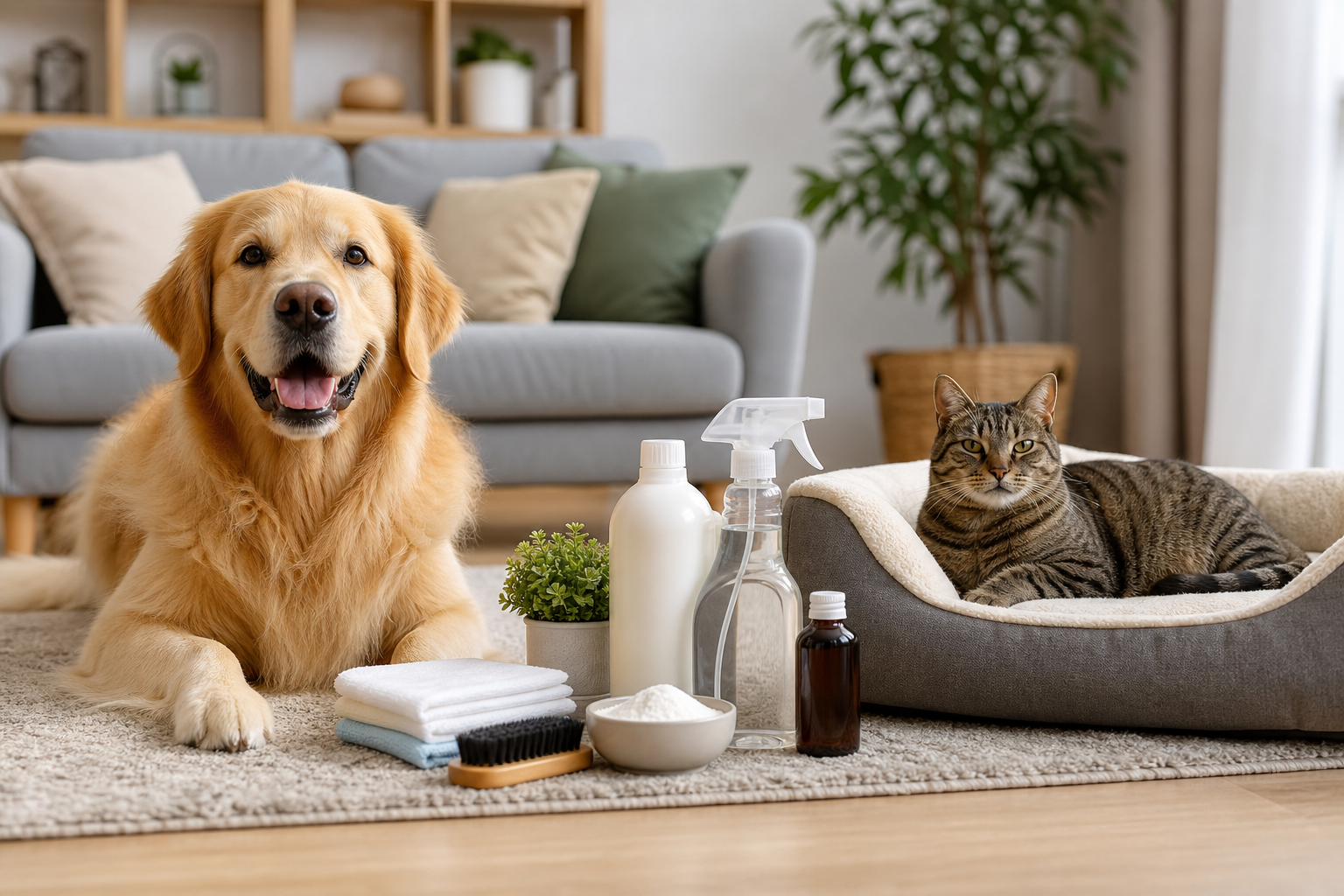
Household odors from dogs and cats come from urine, organic material on fabrics, skin oils, and poor ventilation. This article provides seven practical, step-by-step measures to remove recent and older odors, reduce the risk of recurrence, and choose safe products. The recommendations are based on veterinary sources and specialist guides and indicate when to consult a professional.
Method and selection criteria
I selected the seven tips according to three criteria: practical effectiveness, safety for animals and children, and feasibility in an apartment. For claims about urine, litter, enzymatic cleaners, fabric cleaning, and air purifiers, I included references to specialist sources such as PetMD, Petco, Purina, PetSmart, Dogster, and IQAir to confirm the technical procedures where appropriate.
Note on choosing products: there is no single universal solution. If you are looking for specific products such as air purifiers or cleaners, you can find practical options on Glabora, which offers purifiers, enzymatic cleaners, and pet-care accessories.
The 7 practical tips
-
Immediate action for urine and vomit
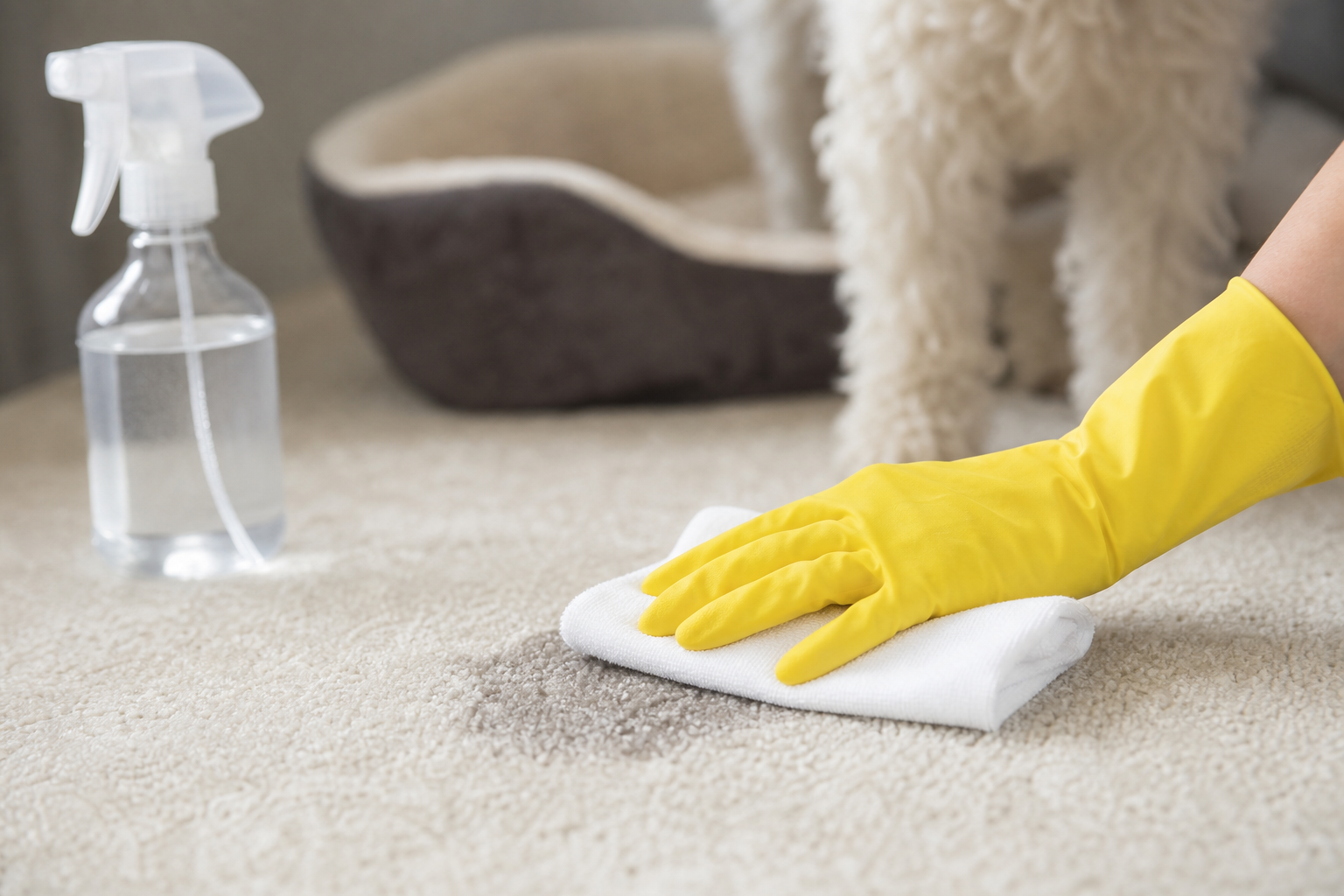
For fresh stains, acting within a few minutes greatly improves the result because it prevents liquids from penetrating deeply into fibers or flooring. First remove solid material with a paper towel, then blot from the outside toward the center without rubbing, to avoid spreading the stain. Use towels or paper towels to remove as much moisture as possible, then apply a specific product or enzymatic cleaner and dry the area completely.
Specialist sources explain that cat urine in particular tends to get worse over time because of compounds that intensify the odor, so prompt and thorough cleaning is essential PetMD. If the stain is on washable fabric, pre-treat it before putting the item in the washing machine, following the product instructions.
Warning: avoid ammonia-based products on urine stains because the similar smell may encourage your pet to mark the area again.
-
Enzymatic cleaners: how to use them correctly
Enzymatic cleaners work by breaking down the organic proteins that cause odors and are recommended when urine has penetrated fabrics or upholstery. To apply them, first remove the excess, spray generously according to the instructions on the label, leave it on for the specified time so the enzymes can work, and then dry or blot the area. Some products recommend not rinsing immediately so the enzymes are not removed too soon.
Sources such as Petco and PetSmart emphasize that enzymatic cleaners reduce the likelihood of an animal returning to the same spot because they eliminate the organic source of the odor Petco, PetSmart.
Practical tip: always test the product on a hidden area to check its compatibility with the fabric. If the surface cannot tolerate moisture, consider dry-cleaning methods or professional advice.
-
Managing the litter box to reduce odors
The most effective routine for controlling litter-box odors is simple: remove feces and the wettest areas daily, replace the litter completely periodically, and wash the box with hot water. Choose a type of litter that advertises odor control, and consider using specially formulated deodorizers if your cat tolerates them.
Purina recommends combining daily cleaning with carefully selected litter to keep the home environment fresh and reduce behavioral causes of marking Purina.
Placement: put the litter box in a well-ventilated but quiet place for the cat. Avoid cramped or excessively noisy areas that could cause litter-box aversion.
-
Regularly washing pet beds, blankets, and covers
Many household odors come from fabrics where pets sleep. Wash blankets, cushions, and covers regularly: for active dogs or cats that spend a lot of time on fabrics, weekly or biweekly washing is helpful. Before washing, treat stains with an enzymatic pre-treatment if necessary, and dry everything completely in the sun or in a dryer to reduce the risk of lingering odors.
Dogster emphasizes that frequently washing pet bedding is one of the first measures for controlling odors in the home Dogster.
For covers that cannot be washed at home, consider removable covers or professional cleaning.
-
Deep cleaning of carpets and upholstery for old odors
Old odors often come from urine absorbed into carpet underlay or upholstery. Procedure: vacuum thoroughly to remove hair and dust, use an enzyme-based product specifically for pet stains, and if the odor persists, consider using a water-extraction or steam-cleaning machine, or hiring a professional cleaner. Some residues are reactivated by moisture, so dry the area thoroughly and consider using dehumidifiers in damp rooms.
PetSmart and Petco point out that some urine crystals can reactivate with moisture and release odor again, so deep cleaning and drying are essential PetSmart, Petco.
If the carpet continues to smell, rely on professionals who can assess underlay removal or specialized treatments.
-
Reducing airborne odors: ventilation and air purifiers
Regular ventilation helps dilute odors. For persistent airborne odors, an air purifier with a HEPA filter and activated carbon stage can remove particles and volatile compounds responsible for the odor. Place the device in the rooms where your pet spends the most time and follow the manufacturer's recommendations for replacing the filters.
Technical analyses explain that air purifiers help reduce odors but do not replace cleaning surfaces soaked with organic dirt IQAir. Dogster confirms that air purifiers and good ventilation are part of an overall strategy Dogster.
Practical tip: if you are interested in air purifiers designed for pet odors, consider models that include activated carbon and check availability on Glabora.
-
Long-term prevention: routine, diet, and health monitoring
Prevention is more effective than correction. Establish a cleaning schedule for litter boxes and bedding, schedule regular veterinary checkups if you notice changes in body odor or repeated marking, and discuss with your veterinarian any diet or supplements that may reduce skin or intestinal odors. Some persistent odors may have a medical cause and require a professional diagnosis.
Purina and PetMD point out that behavioral changes or unusual odors warrant a veterinary checkup to rule out medical causes Purina, PetMD.
Finally, modifying the environment and using positive reinforcement can reduce marking or repeated accidents without resorting to drastic measures.
Purchase recommendations and local contacts
For enzymatic cleaners, activated carbon air purifiers, and cleaning accessories, you can find practical options on Glabora. Always check the labels for safety and compatibility with your pet. If you are in Fondi or need local assistance, book a consultation or browse the products available on the official website.
Business information: you can contact My Business at +39 329 563 0900 or visit the online store at Glabora to find air purifiers, orthopedic beds, and specialized cleaners.
Frequently asked questions
How do you treat a very old urine odor that returns with moisture?
For old odors, start with a deep cleaning: vacuuming, treatment with an enzymatic cleaner, and washing or extraction with a steam cleaner. If odors persist, professional carpet cleaning or removal of the underlay may be necessary, because crystalline residues can reactivate with moisture PetSmart.
Which products are safe to use around cats, and which should be avoided?
Enzymatic cleaners formulated for pets are generally safe when used as directed. Avoid products with strong fragrances or toxic compounds not intended for animals. Read the labels and prefer formulations specifically designed for pets. If in doubt, ask the manufacturer or your veterinarian.
How often should I wash my dog's or cat's bed and blankets?
As a practical rule, wash blankets and covers every one to two weeks for very active pets; otherwise, every two to four weeks. Wash with a pre-treatment product if stains are present, and dry completely to prevent residual odors Dogster.
Can an air purifier completely eliminate pet odors in an apartment?
Air purifiers help reduce odors and volatile compounds, especially when equipped with activated carbon, but they do not replace cleaning contaminated surfaces. For lasting results, combine air purifiers with odor-source treatment IQAir.
When should I consult a veterinarian about persistent odors or urine marking?
Contact your veterinarian if you notice sudden changes in body odor, recurring marking, or behavior inconsistent with the previous routine. Some persistent odors may indicate urinary or metabolic conditions requiring professional diagnosis Purina, PetMD.
Methodological disclosure: the seven recommendations were selected for practicality and direct evidence from the cited sources. We do not claim that a single product will solve every case. For behavioral or health problems, follow your veterinarian's advice.
To see recommended products or request local assistance, contact My Business at +39 329 563 0900 or visit the official Glabora website for specific purifier and cleaning product options.